Whenever a new game is released with a focus on multiplayer game modes, it is almost certain that it would launch with a battle pass. Over the past several years, this tiered progression-based system has come to replace the controversial loot boxes that was heavily criticized for making games “pay to win” by locking certain gameplay mechanics behind microtransactions, and the practice being investigated by several countries to determine whether it could be considered a form of gambling. With so many different games now featuring a battle pass as a key feature to maintain player retention, it made me wonder which one out of a select number of games has the best implementation of a battle pass and if it was rewarding or not.
Fortnite
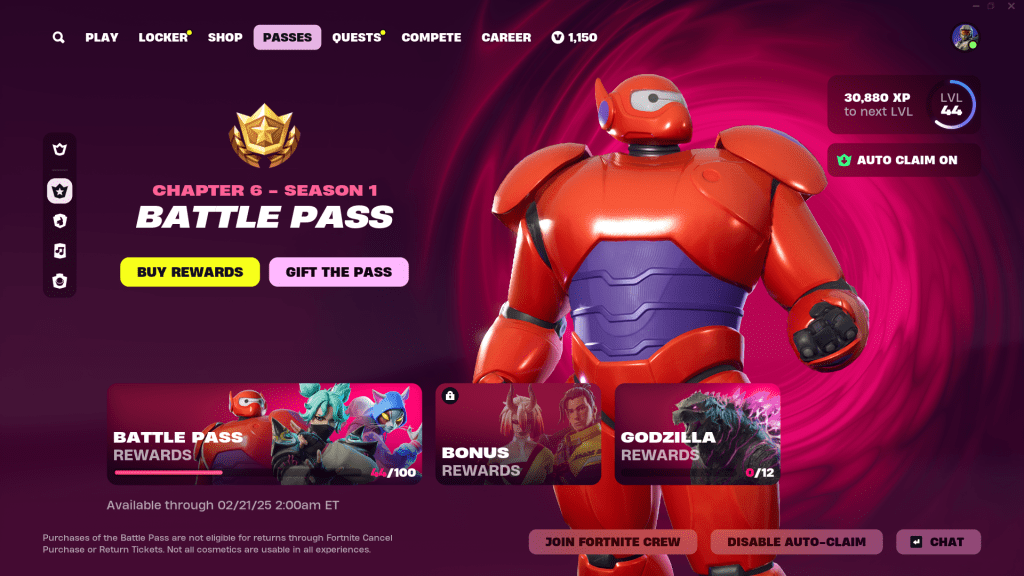
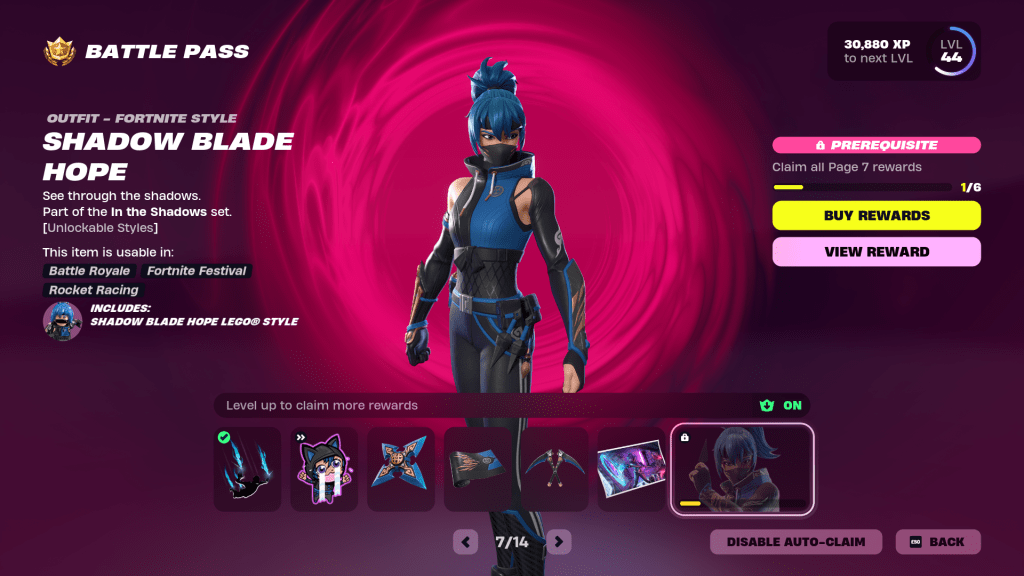
Although Fortnite was not the first game to come up with the idea of the battle pass system, which Dota 2 taking credit for having the earliest example of the concept in 2013, it makes the most sense to start with this game for the selection of games I chose to compare due to it being the one that helped popularize its usage across the industry. Fortnite’s battle pass consists of 100 cosmetic items in its main pass, with additional rewards available to unlock following the completion of the main pass and a bonus mid-season mini-pass. These cosmetics include items such as character skins, pickaxes, emotes, sprays, loading screens, and music tracks along with enough V-Bucks to purchase the next season’s pass. Over the years, Epic Games has made changes to how the battle pass operates in-game, with the most recent changes coming with the launch of Chapter 6 Season 1. Prior to Chapter 6, items in the pass were unlocked via battle stars, which were awarded after levelling up through gameplay at a rate of 5 stars per level consisting of 80,000 XP. The new format keeps the 80,000 XP level system, but removed the stars making each item in the pass unlockable through standard level progression.
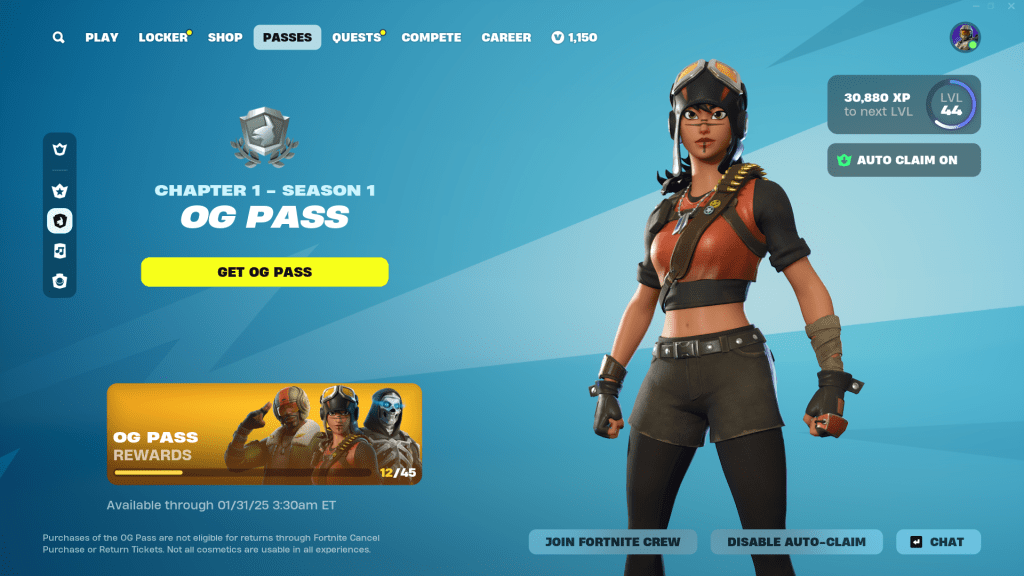
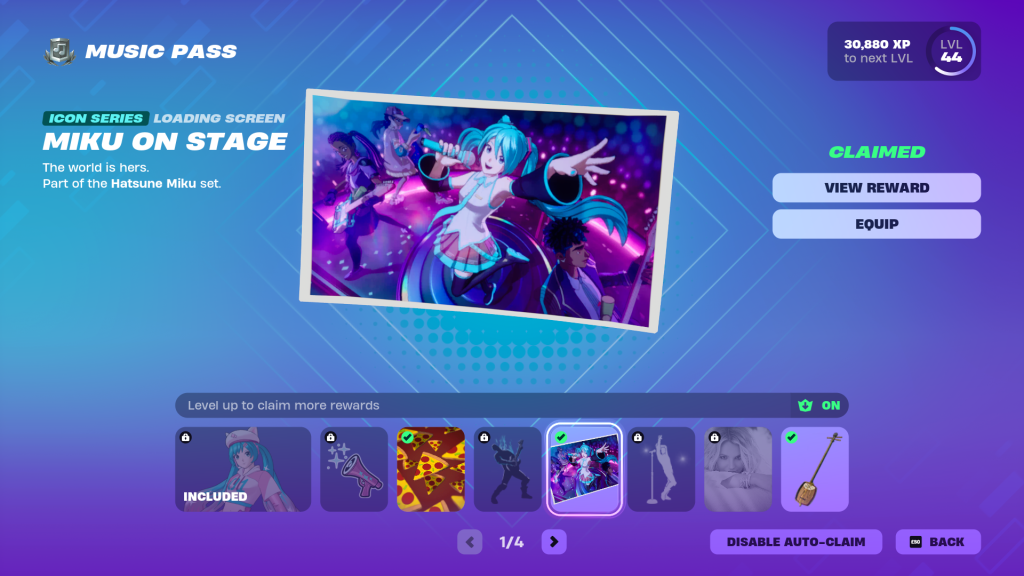
Over the past year as Epic has added new official modes to the game such as Fortnite Festival, themed around musicians and bands like Metallica, Snoop Dogg and recently Hatsune Miku; LEGO Fortnite, consisting of decorative items and sets for its open world sandbox mode; and Fortnite OG, themed around remixed versions of some of the skins released during the earlier seasons of the game. Each separate pass can simultaneously progress alongside each other through all official game modes and custom maps, making it possible for players to progress their Festival Pass while playing Battle Royale or their LEGO Pass while playing Festival.
One major component of Fortnite’s battle pass model that has come under some scrutiny from certain portions of the player base recently is the idea of exploiting players’ fear of missing out (FOMO) on items. For most of the game’s lifecycle, items that were released as part of a season’s battle pass were exclusive to that season and would not be made available through other methods such as the item shop in the future. This decision has been a major point of contention as of recently, as most seasons have one to two licensed characters from franchises like Star Wars, Rick and Morty, Marvel Comics, and more being included, with Marvel getting two full seasons dedicated to it. As a result, some of each franchise’s most popular characters are inaccessible to newer players who missed out on getting them when they were available, leading to many players who did get them arrogantly declaring their accounts are more valuable because of so-called “OG status” when it is against the game’s terms of service to sell your account to someone else for monetary value. Some players have also suggested the idea of Epic implementing a system similar to Halo Infinite’s model where you can buy previous passes at any time after the season ends and complete them at any point in the future.
In August 2024 prior to the release of the second Marvel Comics-themed season Absolute Doom, Epic Games announced that future battle pass skins would have an 18 month exclusivity window before having the chance to appear in the item shop rotation, starting with that season. This change was meet with praise from players who advocated for the removal of the FOMO system, however, previous seasons would still remain exclusive and inaccessible to newer players.
Halo Infinite
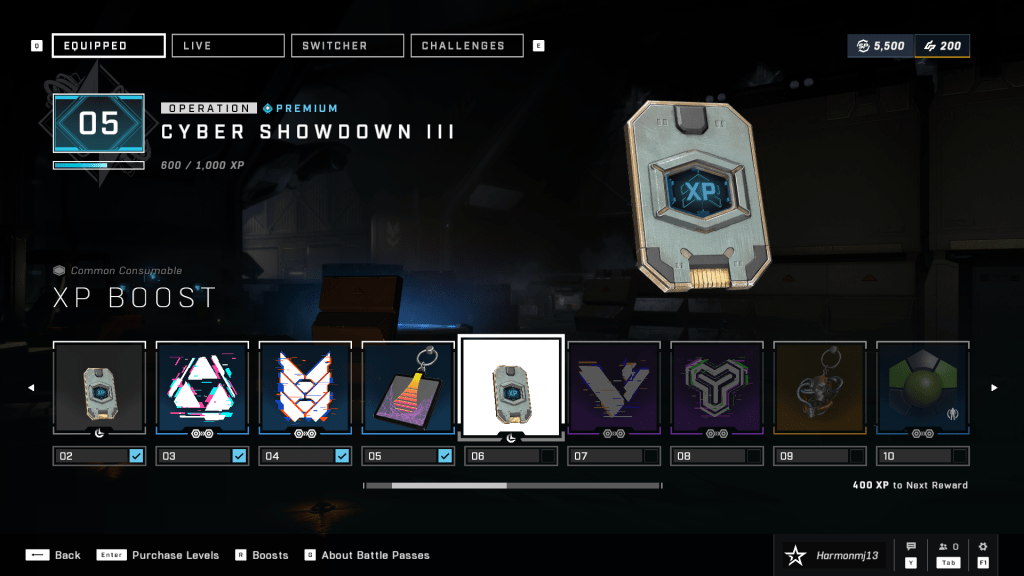
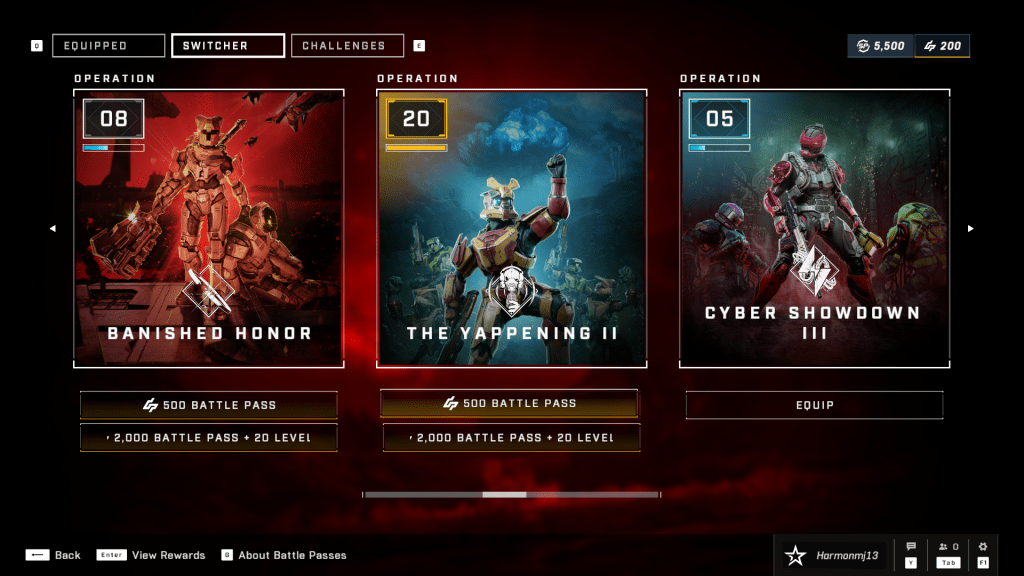
Although its multiplayer is not one of my favorites in the franchise (probably a comparison for another date), the battle pass model used in Halo’s first free-to-play multiplayer is quite revolutionary in the industry. Much like how Fortnite is credited as the one to popularize battle passes, Halo Infinite claims the title as the one to popularize the idea of accessing the passes of previous seasons after they end. This completely removes the exploitation of FOMO and allows players to spend as much time as they may need to complete a particular season’s pass. In addition, you can swap to any pass at any point in time after completing the current pass. This format has proven to be popular not just for the Halo community, but also outside of it as Fortnite players have been calling on Epic Games to implement this exact method as a way to sell old battle passes for that game.
Halo Infinite’s battle pass focus largely on cosmetic items to customize a player’s Spartan armor core, coatings/skins, emblems, and other items. Pass progression is tied to XP earned through weekly challenges completed through gameplay, and consist of a varying number tiers depending on how old a particular pass was added to the game. Originally, battle passes were split between a paid track and a free track, with recent passes transitioning to having all tiers available for free and the paid track being changed to offer additional cosmetics like weapon variants and coatings.
As of recently, the game’s battle passes have been replaced with Operations, a shorter 20-tier pass that functions the same way as prior battle passes but with less customization items. In its place are a new in-game currency called Credits, which are used to acquire previous event items in the store.
Helldivers 2
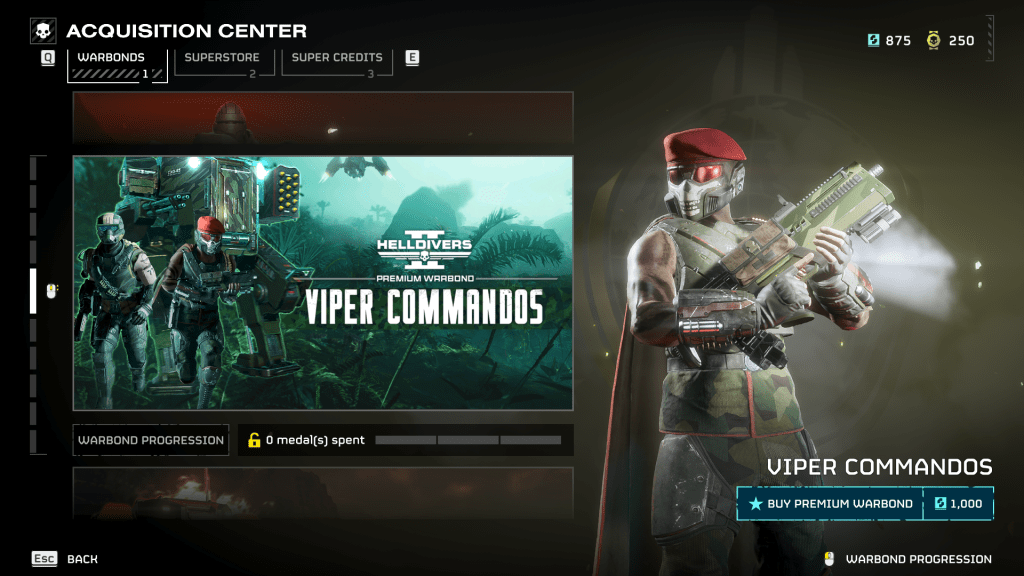
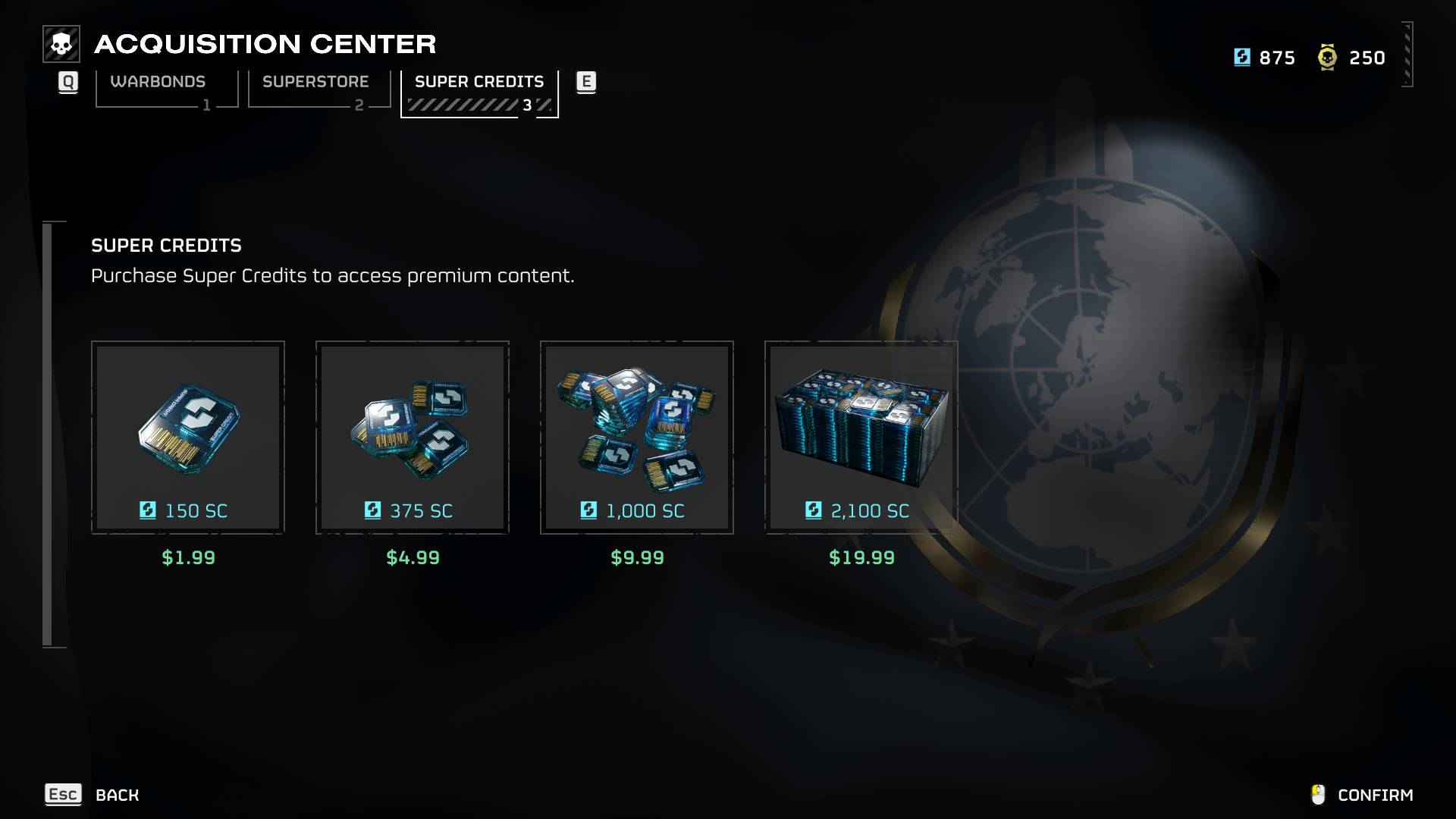
While Helldivers 2 lacks a traditional PvP mode (unless you count accidentally killing your teammate who just so happened to be in your airburst rocket launcher’s blast radius), it’s implementation of the battle pass system is what I’d argue is one of the best implemented out of any live service game I have played in recent years. Referred to as “Warbonds”, they are usually added to game every 4 to 6 weeks on average as part of regular updates or large content drops such as the recent Omens of Tyranny update. Each Warbond is attainable by spending 1,000 Super Credits (SC), a premium currency you can either purchase from the in-game store or have a chance to find scattered around the map at minor POIs during missions. In fact, each bundle of Super Credits in the store is fairly priced with $1 roughly equaling to 100 SC total, with the most expensive bundle giving you 2,100 SC for $20 which is more than enough to purchase two Warbonds.
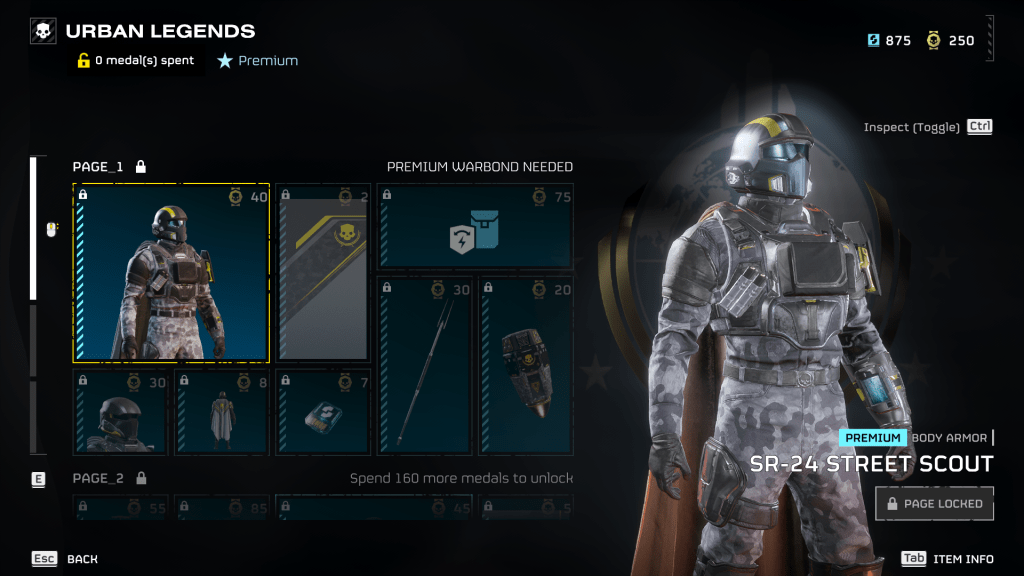
Helldivers’ Warbonds focus largely on gameplay equipment (weapons, armor and/or stratagems) and non-gameplay cosmetic items (capes, helmets, player titles, banners, and vehicle skins), along with 300 SC to help towards purchasing the next update’s Warbond. Each item is unlocked using Warbond Medals, a separate currency which is awarded from completing missions, personal orders, global major orders, or found in random POIs during missions. Armor sets have set characteristics in additional to cosmetics, with them being classified as one of 3 armor types along with an additional perk trait, while an armor’s matching helmet and cape provide no additional bonuses. In addition, all Warbonds are not time-limited and can be purchased at anytime, meaning you can still complete one pass even if you’re 3 Warbond behind.
Even though Helldivers 2 hasn’t been out as long as some of the other games I list in this analysis, I’d argue it is one of the best implemented uses of a battle pass used by a live service game on the market. It’s non-existent time restriction along with the ability to earn the in-game currency needed to purchase a pass through normal gameplay allows you to freely have the opportunity to unlock new items at your own pace if you either don’t have the time in your schedule or want to play other games as well.
Deep Rock Galactic
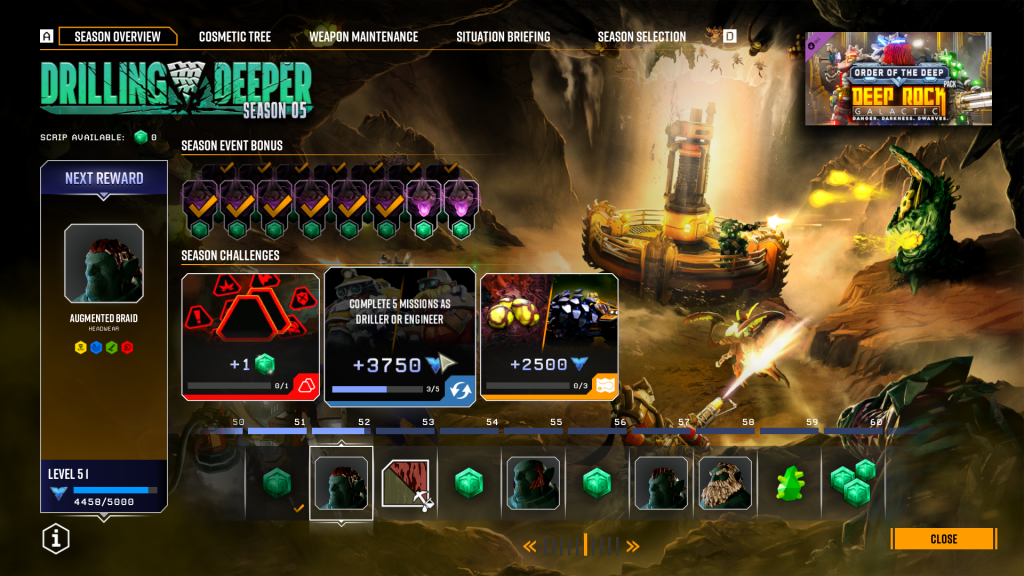
Much like Helldivers, Deep Rock Galactic (often referred to simply as DRG), is a co-op PvE game at its core, but is not a traditional live service game like the others on this list. Which is not only surprising to see that the game features a battle pass system, but it’s also completely free with all items unlockable through standard gameplay. In fact, the only items players can buy with their money in-game are optional DLC cosmetic packs.
Each DRG season pass is part of a massive content update, serving an additional assignments board for players to complete that awards players with additional bonuses after accumulating enough XP through missions and season challenges to progress through one level. A season’s pass is composed of 100 items including helmets/hats, beards, moustaches, victory emotes, weapon and armor paintjobs, and pickaxe attachments. There are also small amounts of resource minerals that are commonly found during gameplay missions that can be spent to upgrade your dwarf’s loadout perks. Once you complete all 100 tiers in the pass, you are awarded 500 bonus credits for each additional level you accumulate.
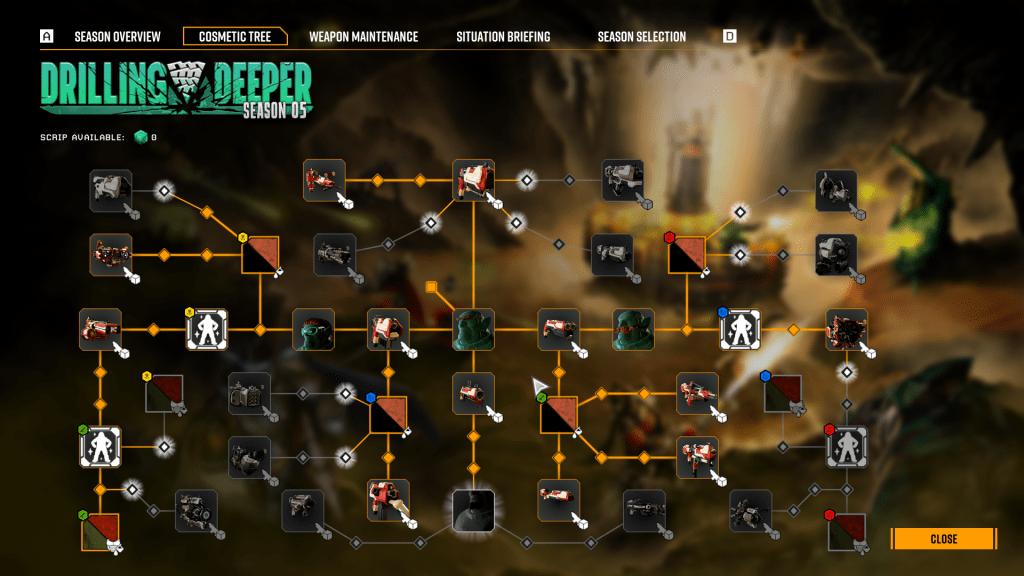
Also included in DRG’s battle pass is an additional separate progression path known as the Cosmetic Tree. This path focuses primarily on cosmetic items like, emotes, paintjobs, and weapon frameworks (essentially an alternative style for primary and secondary loadout weapons) based on the season’s overall theme. Each item in the Cosmetic Tree is unlockable using Scrip, a resource type tied to each season that is earnable in the main 100 tier battle pass, certain season challenges, and through certain random encounters during missions like gathering core stones or data cells.
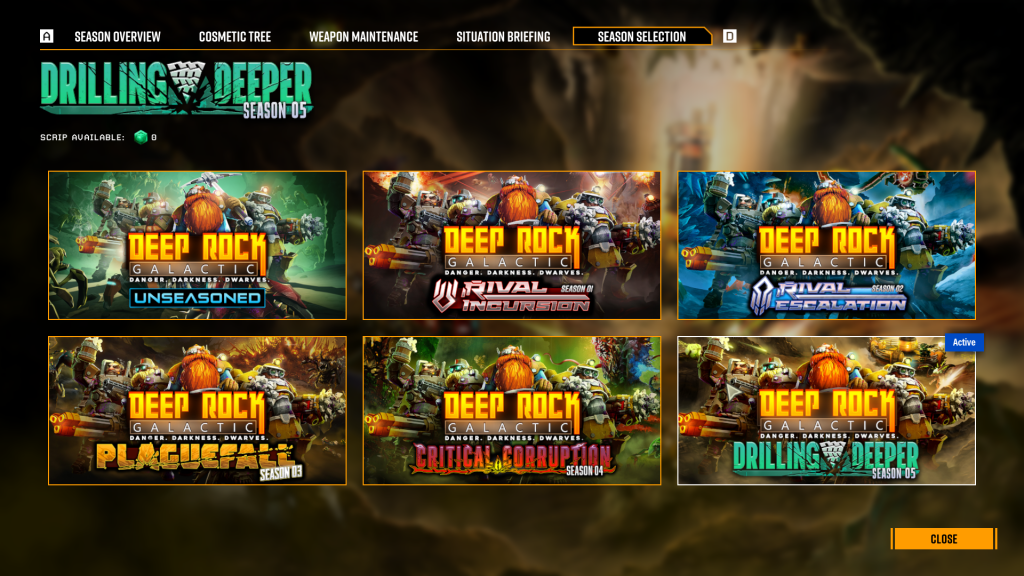
While not technically a true battle pass in terms of implementation, Deep Rock Galactic’s philosophy of letting players complete passes at their own pace at no additional price is very player-friendly. Given how each pass is essentially a component of a yearly content update, that gives players plenty of time to work towards complete the pass whenever they want without fear of missing out on not being able to unlock them once a new update comes around.
Conclusion
I originally planned to include several more games to write about in this article, but it would have inflated this longer to a point where I’d lose key points I wanted to look for and compare. There is a possibility I could do a follow-up on this in the future if there are either other games I want to compare their methods of battles passes or if more live service games change their models to follow a new non-FOMO approach. From a developer/publisher standpoint, Halo and Helldivers’ battle pass implementation is the best method as it serves as a way to continue generating profits off of microtransactions through the in-game shop. As for a player perspective, Deep Rock Galactic is the clear winner as it is 100 percent free and limits in-game purchases to optional cosmetic items, and allows for much more time to complete the pass before the next one’s release by the developers.

